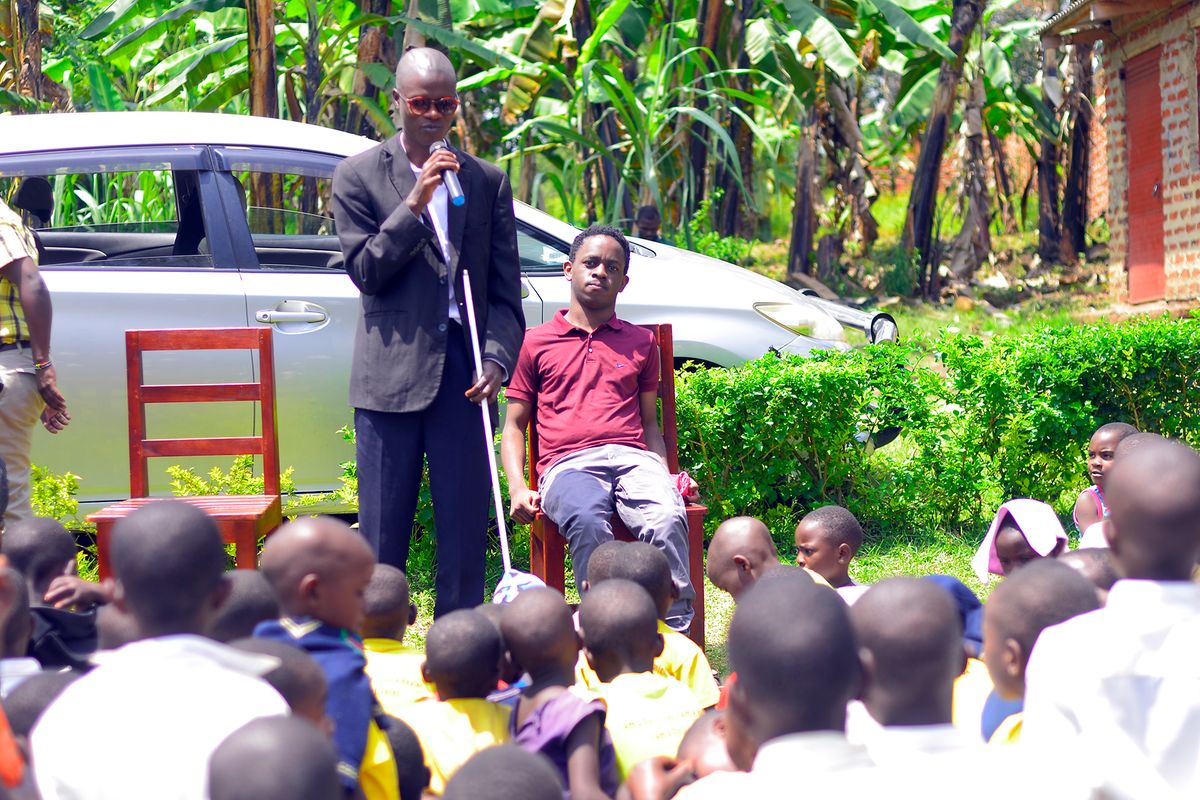
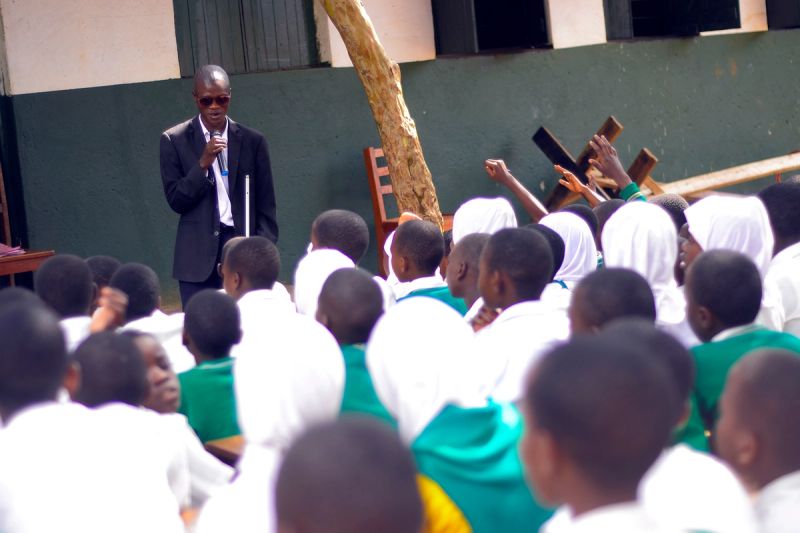
Creating an inclusive classroom is more than just showing empathy—it’s about identifying and utilizing the right tools and techniques to ensure that everyone benefits from the lessons. Earlier October, 2024, as part of the Embrace International Foundation project I coordinate, I selected professionals with disabilities to facilitate workshops on disability awareness and inclusive classrooms in ten schools in the region. Beyond the E-Learning labs installed in these schools, the Embrace International Foundation also prioritizes equipping both teachers and learners with the skills to handle their colleagues and students with disabilities equitably, not equally.
Drawing from my own unique life journey, I know that education, along with a paradigm shift, has been a transformative tool in my life. Growing up with a disability in Uganda’s underfunded and often rigid education system was not easy. The system, as it stood, was not designed to accommodate someone with my needs, and I faced challenges that other students around me didn’t. From inadequate facilities to a lack of understanding about how to handle learners with disabilities, my experience was a constant struggle to adapt and find new ways to keep up.
However, even within that system, I found a way to survive. My story changed because I had teachers who believed in me. They didn’t just allow me to attend school; they created an inclusive environment where I could thrive despite the obstacles I faced. But it wasn’t easy—there were times when the lack of accessible learning tools or flexible teaching methods made it nearly impossible to keep up with the lessons. Nevertheless, through sheer resilience and the support of a few empathetic teachers, I managed to succeed.
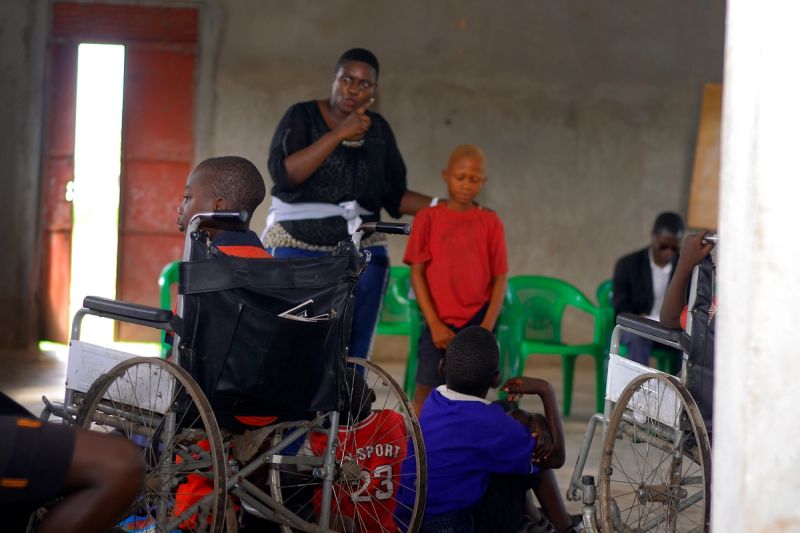
These teachers understood that inclusion isn’t just about having someone in the room; it’s about ensuring that person can participate fully, using methods that suit their needs. In my case, they adapted teaching techniques to my abilities, allowing me to learn in a way that worked best for me. While I couldn’t use a pen due to my mobility difficulties, they helped me leverage technology, which transformed my learning process. Their support didn’t just help me; it showed my classmates that I was just like them, even though I did things differently. It taught them to interact with me, not out of pity, but with respect, kindness, and curiosity. Together, we learned valuable lessons about patience, collaboration, and the power of diversity.
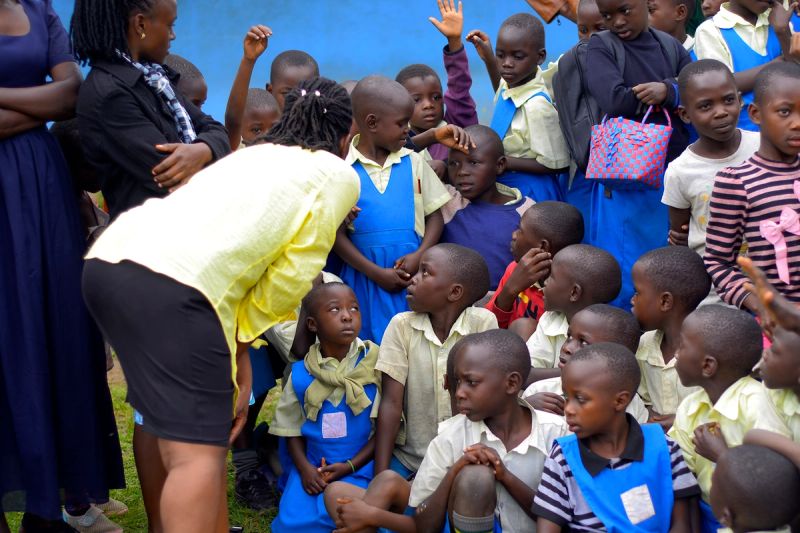
Inclusion doesn’t only benefit people with disabilities—it benefits everyone. When my teachers created an inclusive classroom, it helped me succeed and also taught my classmates critical life skills. They learned how to work with people who are different from them, how to be compassionate, and how to solve problems creatively. These are skills that will serve them throughout their lives.
Looking back at my journey through the Ugandan education system, it was my access to digital tools, introduced later in my schooling, that truly empowered me. Without those tools, I wouldn’t have been able to continue learning effectively. The system was not built for students like me, but it taught me the value of perseverance, creativity, and self-advocacy. That’s why the work I’m doing with the Embrace International Foundation—promoting awareness and creating inclusive classrooms—feels so personal. It’s an opportunity to ensure that no other student with a disability has to struggle the way I did.
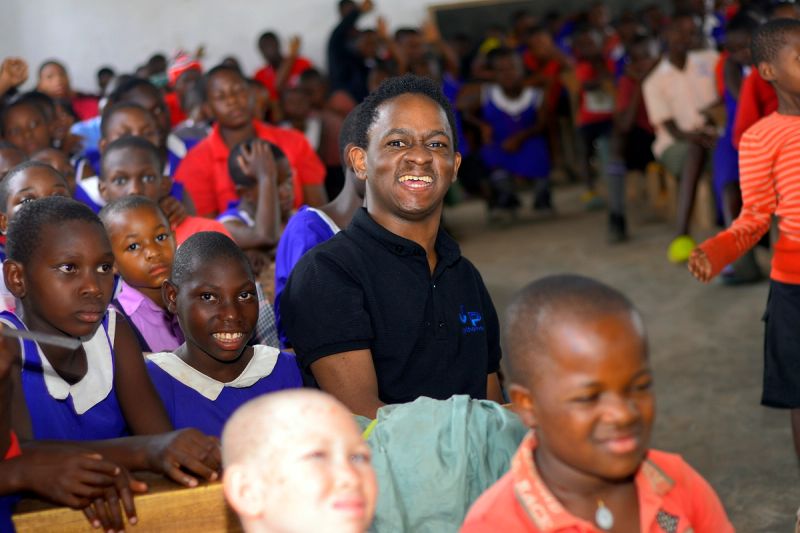
Through these efforts, we aim to create educational environments where teachers and learners embrace the skills of diversity and handle their colleagues and students with disabilities equitably. It’s about more than just providing E-learning labs or installing new technologies; it’s about changing mindsets, fostering respect for individual differences, and ensuring that every student, regardless of their abilities, has a chance to thrive.
Inclusion is not a favor—it’s a responsibility we all share. By supporting one another, we create communities that are stronger and more compassionate. Through these efforts, we don’t just shape better students; we shape better societies.
Watch our premiere documentary highlighting the transformative work we're doing in the community
https://www.youtube.com/watch?v=fdjKRK6d1A0&t=193s&pp=ygUPa2loZW1ibyB3aWxiZXJ0