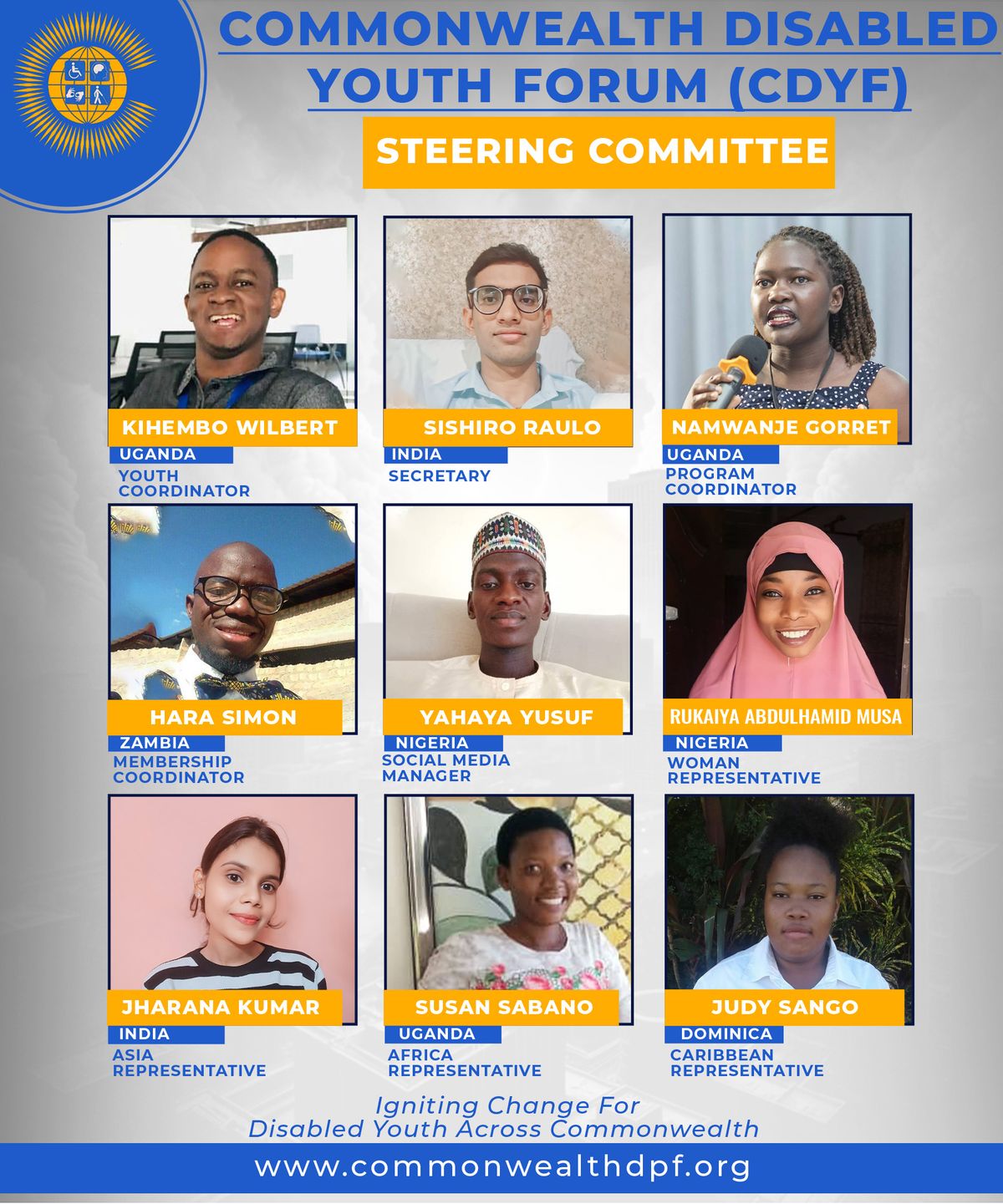
on behalf of Commonwealth Disabled Youth Forum (CDYF), I conducted a survey to identify the challenges faced by disabled youth across the Commonwealth. This report summarizes the key findings, shedding light on barriers to education, employment, digital accessibility, and broader social inclusion. The insights gathered aim to guide efforts towards creating a more inclusive environment for disabled youth throughout the Commonwealth.
1. Demographics
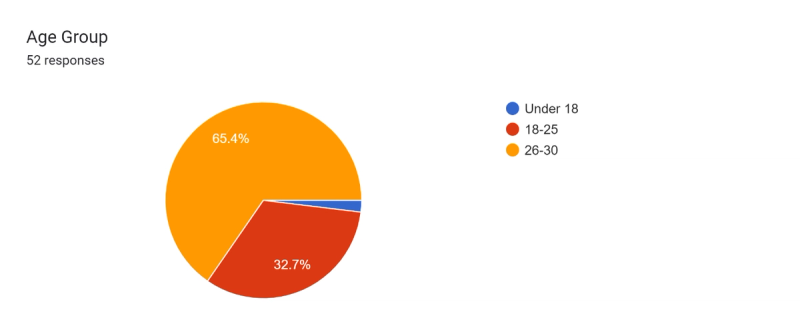
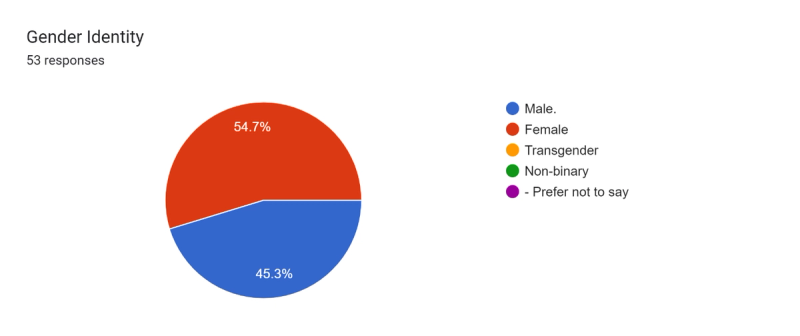
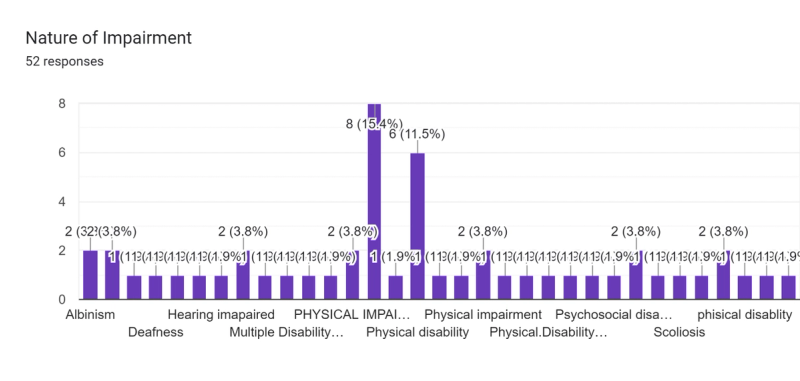
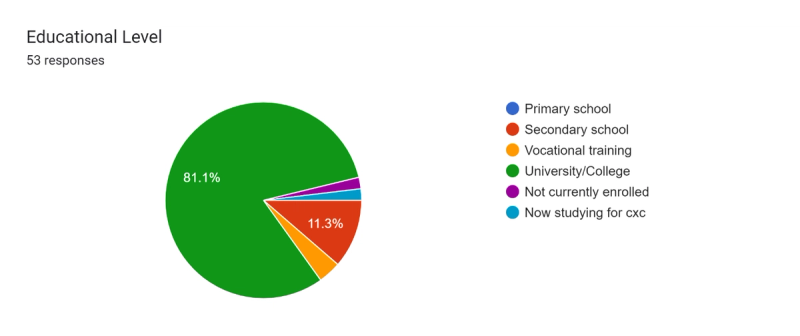
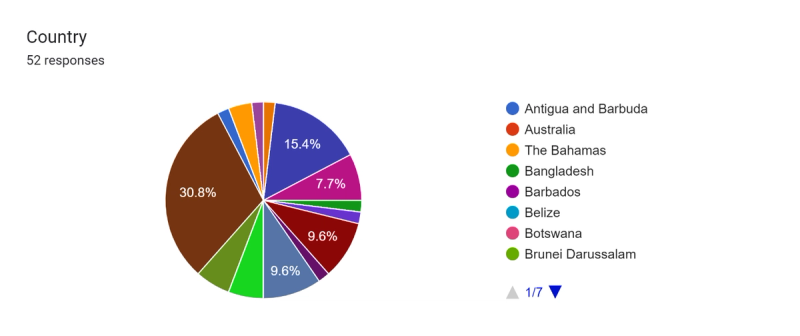
The survey participants comprised a diverse group of disabled youth, primarily aged between 18 and 30. Hailing from various Commonwealth countries, they provided a rich array of perspectives influenced by distinct cultural and societal backgrounds. The participants represented a range of disabilities, including physical impairments, hearing impairments, psychosocial disabilities, and other conditions, as illustrated in the infographics below.
2. Barriers to Inclusive Education
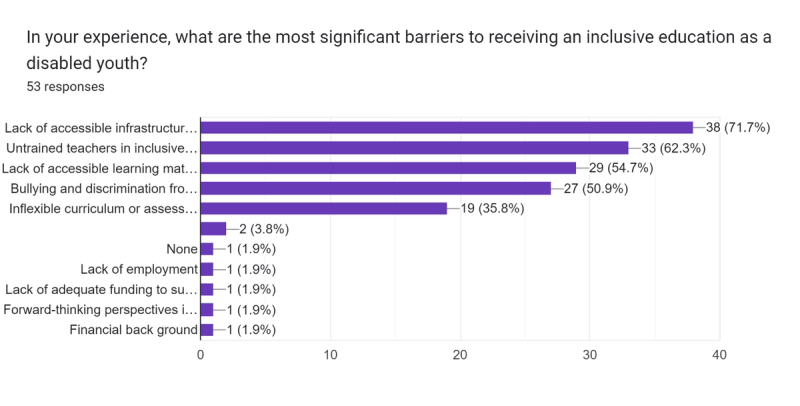
Survey respondents highlighted several obstacles to receiving an inclusive education:
- Inaccessible Infrastructure: Many schools lack the physical infrastructure, such as ramps or elevators, necessary for students with mobility challenges.
- Lack of Inclusive Teaching: Educators often lack training in disability-inclusive teaching practices, leaving students with disabilities without adequate support.
- Inaccessible Learning Materials: Limited access to essential learning materials, such as Braille, sign language interpreters, or adaptive technologies, remains a significant barrier.
- Discrimination and Bullying: Disabled youth often face bullying and exclusion from peers and, in some cases, lack empathy or understanding from school authorities.
- Rigid Curriculum: An inflexible curriculum and assessment processes fail to accommodate the unique needs of disabled students, making it harder for them to succeed academically.
3. Personal Experiences of Exclusion in Education
Several respondents shared their experiences of being excluded or marginalized in educational settings:
- Inaccessible facilities like libraries or classrooms located on higher floors made participation difficult or impossible for those with physical disabilities.
- Some students felt excluded from achieving academic recognition despite their hard work, often due to a lack of accessibility in education systems.
- Bullying from peers and lack of support from teachers created an environment of isolation, leading some disabled students to feel disconnected from their academic communities.
4. Barriers to Employment
Respondents described several challenges in accessing meaningful employment opportunities:
- Limited Job Opportunities: There is a widespread lack of job opportunities tailored to disabled youth, particularly due to misconceptions about their capabilities.
- Negative Stereotypes: Employers often hold biased views, assuming that disabled employees may be less capable or less productive.
- Inaccessible Workplaces: Physical barriers, such as inaccessible buildings or workspaces, prevent disabled individuals from participating in the workforce.
- Lack of Vocational Training: Many respondents noted the absence of vocational training programs designed to equip disabled youth with skills for the job market.
5. Experiences of Discrimination
Many participants shared stories of discrimination in both educational and employment settings:
- In some cases, students with disabilities were denied access to key school facilities, such as libraries or laboratories, due to their location or design.
- A number of respondents recounted losing out on job opportunities or promotions due to policies that indirectly discriminated against certain types of disabilities, such as visual impairments.
6. The Role of Digital Technologies in Inclusion
The survey underscored the transformative role that digital technologies can play in improving the inclusion of disabled youth:
- E-Learning Platforms: Digital learning platforms provide an accessible alternative for students facing physical or mobility-related barriers, enabling them to study from home.
- Job-Seeking Platforms: Digital platforms can be used to match disabled youth with job opportunities that meet their specific accessibility needs.
- Assistive Technologies: Devices such as screen readers, voice-controlled systems, and other assistive technologies can help disabled individuals gain independence and interact more freely with the digital world.
7. Challenges in Accessing Digital Tools
Despite the potential benefits, respondents also faced significant challenges in accessing digital technologies:
- High Costs: Many respondents cited the high cost of essential devices, such as smartphones or laptops, as a barrier to accessing digital resources.
- Inaccessible Platforms: Some websites and apps do not cater to users with disabilities, making it difficult to access services such as online education, job applications, and digital resources.
- Internet Connectivity Issues: Poor internet connectivity, particularly in rural areas, further exacerbates the digital divide for disabled youth in under-resourced communities.
8. The Potential of Artificial Intelligence (AI)
AI was recognized as a powerful tool that could further promote the inclusion of disabled youth:
- Personalized Learning: AI can offer personalized learning experiences, tailoring educational content to the unique needs and learning styles of disabled students.
- Employment Matching: AI-driven platforms could match disabled youth with jobs suited to their capabilities, while ensuring that any necessary accommodations are provided.
- Daily Assistance: AI-powered assistants can provide support in daily tasks, enhancing independence and quality of life for disabled individuals through features like voice assistance and automated reminders.
9. Access to Health and Mental Health Services
Access to healthcare, particularly mental health services, remains a significant issue for disabled youth:
- Inaccessibility: Many respondents noted that healthcare facilities and services in their countries were physically inaccessible or lacked trained professionals who understood their specific needs.
- Stigma and Isolation: Respondents often reported feeling isolated or stigmatized when seeking mental health support, exacerbated by a lack of disability-friendly services.
10. Recommendations to Governments and Organizations
The participants provided several actionable recommendations to improve the experiences of disabled youth across the Commonwealth:
- Invest in Accessible Digital Infrastructure: Governments should prioritize making digital tools and platforms accessible for disabled youth, including by subsidizing costs for assistive technologies.
- Create Vocational Training Programs: Tailored vocational training for disabled youth should be developed to prepare them for employment and bridge existing skill gaps.
- Promote Representation: Governments and organizations should ensure that disabled youth are given platforms to participate in decision-making processes and policy creation, ensuring their voices are heard and valued.
- Increase Support for Assistive Technologies: Financial support and policy incentives should be introduced to make assistive devices more accessible, including through subsidies and tax exemptions.
11. Conclusion
This survey has shed light on the significant barriers faced by disabled youth in education, employment, and access to digital tools. However, it also highlights the immense potential that digital technologies and assistive tools hold in overcoming these challenges. The Commonwealth Disabled Youth Forum (CDYF) and Commonwealth Disabled People's Forum (CDPF) remains committed to advocating for these issues and pushing for a more inclusive future